

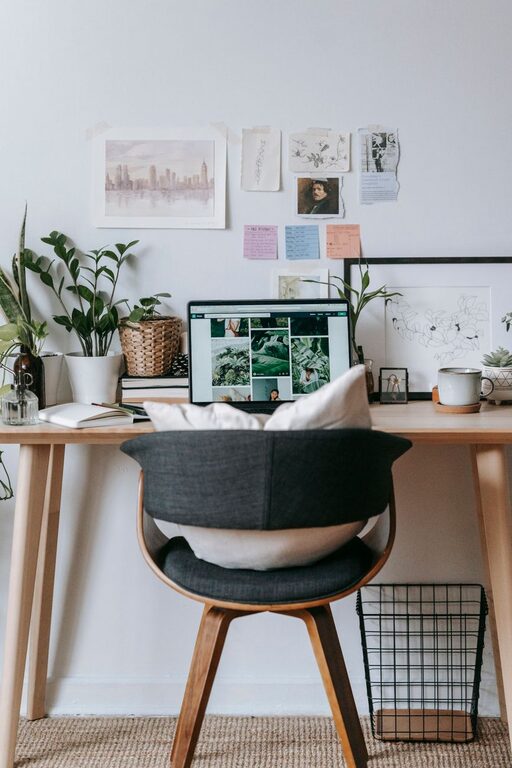
Creating a home office that feels both cozy and functional can significantly enhance your daily work experience. Whether you’re working remote full-time or just need a dedicated space for occasional tasks, designing an environment that blends comfort with practicality helps boost productivity and improve well-being. Here are some helpful tips to guide you in crafting your perfect home office.
Choose the Right Location
Selecting the ideal spot for your office is the first step to creating a space that works for you.
– Find a quiet corner: Look for an area with minimal distractions from household activities.
– Consider natural light: Places near windows help reduce eye strain and improve mood.
– Evaluate space needs: Make sure the area has enough room for your desk, chair, and any additional equipment.
Invest in Ergonomic Furniture
Comfort is key when you’ll be sitting and working for extended periods.
– Ergonomic chair: Choose one with adjustable height, lumbar support, and comfortable cushioning.
– Desk at proper height: Select or adjust your desk so your arms rest comfortably while typing.
– Standing desk options: Consider a sit-stand desk to alternate your posture during the day.
Organize for Efficiency
An organized space helps you stay focused and minimize stress.
– Use shelves and storage bins: Keep supplies and documents neatly stored and within reach.
– Declutter regularly: Avoid piling up unnecessary items on your desk.
– Cable management: Use clips or sleeves to keep cords untangled and out of your way.
Personalize Your Space
Adding personal touches makes your office feel inviting and motivates you.
– Decorate with plants: Indoor plants bring freshness and can improve air quality.
– Artwork and photos: Display items that inspire or bring joy to your workday.
– Use calming colors: Soft, neutral tones or pastels promote a relaxed atmosphere.
Optimize Lighting
Proper lighting reduces eye strain and creates a pleasant working environment.
– Combine natural and artificial light: Use daylight when possible and supplement with desk or floor lamps.
– Adjustable lighting: Lamps with dimmers or adjustable arms allow you to control brightness based on your task.
– Avoid glare: Position screens and light sources to minimize reflections.
Incorporate Functional Technology
Technology should support your work without adding frustration.
– Reliable internet connection: Ensure strong Wi-Fi or wired access.
– Quality peripherals: Invest in a comfortable keyboard, mouse, and perhaps a second monitor.
– Noise-canceling headphones: Useful in shared homes to block distractions.
Create Zones for Different Activities
If space allows, divide your office into areas for various tasks.
– Work zone: Main desk area for computer and paperwork.
– Reading nook: A comfortable chair with good lighting for reviewing documents or breaks.
– Storage area: Designated place for supplies to keep the main space tidy.
Maintain Healthy Habits
Your office setup can support your physical and mental well-being.
– Take regular breaks: Stand up, stretch, or walk to avoid fatigue.
– Keep water nearby: Staying hydrated is important.
– Good posture reminders: Use ergonomic accessories like footrests or monitor risers.
Final Thoughts
Designing a home office space that is both cozy and functional doesn’t have to be overwhelming. By carefully choosing your location, prioritizing comfort, organizing effectively, and adding personal elements, you’ll create a space that encourages productivity and feels like your own. Small changes can lead to big improvements in your workday experience—so start with these tips and adjust as you learn what works best for you.