

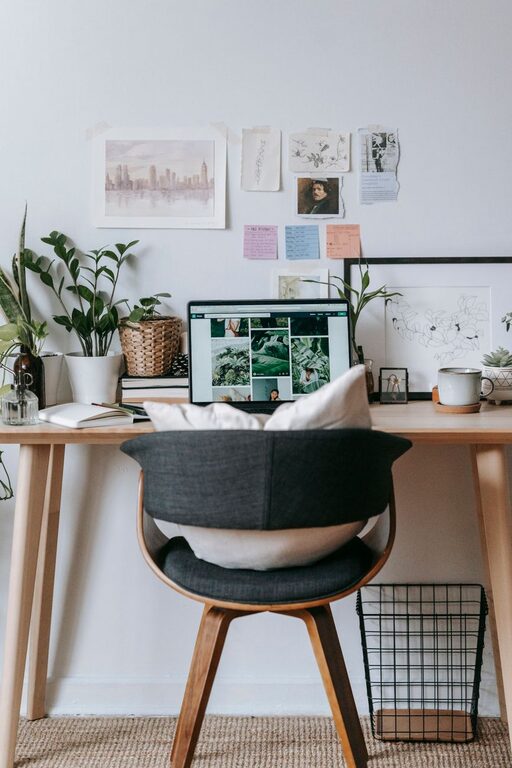
Creating a home office that is both cozy and functional can make a significant difference in your productivity and overall well-being. Whether you work remotely, need a quiet spot for studying, or simply want a dedicated area for personal projects, designing an inviting workspace helps you stay focused and motivated. Here are practical tips to help you set up a home office that meets your needs and feels just right.
Choose the Right Location
Find a Quiet, Well-Lit Spot
When selecting the location for your home office, consider a quiet area away from distractions like televisions or heavy foot traffic. Natural light is ideal because it enhances mood and reduces eye strain. If natural light is limited, invest in good-quality artificial lighting.
Consider Privacy and Noise Levels
If you share your living space, try to pick a spot where you can close a door or use room dividers to create privacy. Noise-canceling headphones can be helpful if you can’t control the noise environment.
Invest in Comfortable and Supportive Furniture
Select an Ergonomic Chair
A comfortable chair that supports your back is essential for long hours at your desk. Look for adjustable features such as seat height, backrest angle, and lumbar support to suit your posture.
Choose a Desk That Fits Your Needs
Whether you prefer a traditional desk, a standing desk, or a convertible model, pick one that fits your work style and space. Make sure it has enough surface area for your computer, paperwork, and any other tools you regularly use.
Organize for Efficiency
Use Storage Solutions
Clutter can reduce productivity and make a space feel less inviting. Incorporate shelves, drawers, file organizers, or storage bins to keep supplies and documents neatly arranged and within reach.
Keep Cables Tidy
Cable mess creates visual clutter and can be distracting. Use cable organizers or clips to secure wires neatly along desk edges or behind your workstation.
Add Personal Touches for Comfort
Include Plants
Indoor plants add a touch of nature, improve air quality, and can boost your mood. Choose low-maintenance varieties like succulents or pothos if you don’t have a green thumb.
Decorate with Art and Accessories
Hang artwork or motivational quotes that inspire you. Use colorful items like cushions or rugs to add warmth and personality to your office space.
Optimize Lighting
Combine Natural and Artificial Light
Maximize natural light during the day and use layered lighting for the evenings. Desk lamps with adjustable brightness can help reduce eye strain, especially when working late.
Choose Light Bulbs Wisely
Opt for bulbs with a color temperature that mimics daylight (around 5000K) to keep energy levels up. Avoid harsh fluorescent lights that can cause headaches or fatigue.
Incorporate Technology Thoughtfully
Use Essential Devices Only
Avoid overcrowding your desk with unnecessary gadgets. Keep your computer, printer, and keyboard organized for easy access.
Prioritize Quality Equipment
Invest in reliable technology, such as a good-quality monitor and keyboard, to prevent discomfort and improve your efficiency.
Set Boundaries and Support Focus
Define Work Hours
Label your workspace clearly and set boundaries with family members or roommates to minimize interruptions during work hours.
Create Zones for Different Activities
If your space allows, designate separate areas for specific tasks—such as a creative corner for brainstorming or a filing area for paperwork. This helps keep your work organized and your routine consistent.
Keep Your Workspace Clean
Develop a Daily Tidying Habit
Spend a few minutes at the end of each day clearing your desk and organizing materials. A clean workspace reduces stress and prepares you for the next day.
Use Cleaning Products Safe for Electronics
Regularly wipe down surfaces and devices with appropriate cleaning solutions to keep your space hygienic and equipment in good condition.
Make Room for Breaks and Movement
Include a Comfortable Spot for Breaks
If space permits, add a small armchair or a cushion where you can relax briefly without leaving your office. Short breaks help maintain focus and reduce fatigue.
Practice Movement Throughout the Day
Avoid sitting for extended periods by standing up, stretching, or taking short walks. Consider a sit-stand desk to alternate positions easily.
—
Designing a home office that is cozy and functional doesn’t have to be complicated. With thoughtful planning, comfortable furniture, smart organization, and personal touches, you can create a space where you enjoy working and feel productive every day. Take your time to experiment with different ideas until you find what works best for you.